Introduction
The term industry encompasses the production, manufacturing, and provision of goods and services within an economy. Industries are fundamental drivers of economic growth, innovation, and employment. They range from traditional sectors like agriculture and manufacturing to modern sectors such as information technology and renewable energy. Understanding how industries operate, adapt to changing trends, and contribute to economic development is essential for business professionals, investors, and policymakers.
What Is an Industry?
An industry refers to a group of businesses or organizations that produce similar goods, services, or processes. Industries are often classified based on the type of products or services offered, technological usage, and market dynamics.
Key characteristics of an industry include:
- Specialization: Firms within an industry focus on a particular type of production or service.
- Competition: Industries are shaped by competitive forces that drive efficiency and innovation.
- Market Influence: Industry trends significantly impact supply, demand, and pricing strategies.
- Economic Contribution: Industries generate employment, revenue, and contribute to GDP.
Types of Industries
Industries can be categorized in several ways, including traditional sectors, modern sectors, and emerging industries:
1. Primary Industry
Primary industries extract natural resources directly from the earth. Examples include agriculture, mining, forestry, and fishing. These industries are essential for providing raw materials to secondary and tertiary industries.
2. Secondary Industry
Secondary industries process raw materials from primary industries into finished goods. Manufacturing, construction, and energy production are typical secondary industries. These industries are central to industrialization and infrastructure development.
3. Tertiary Industry
Tertiary industries provide services rather than physical goods. They include sectors like retail, healthcare, education, banking, and transportation. The tertiary sector has expanded significantly in modern economies, reflecting a shift towards service-based growth.
4. Quaternary Industry
Quaternary industries focus on knowledge-based services, including information technology, research and development, consulting, and financial planning. These industries drive innovation and decision-making in a globalized economy.
5. Emerging Industries
Emerging industries include renewable energy, biotechnology, artificial intelligence, and electric vehicles. These sectors are characterized by rapid growth, technological integration, and high investment potential.
Industrial Classification by Scale and Ownership
Industries can also be classified based on scale and ownership:
- Small-Scale Industry: Typically family-owned or locally managed, focusing on niche markets.
- Large-Scale Industry: Enterprises with significant production capacity, often multinational in nature.
- Public Sector Industry: Government-owned enterprises, often providing essential services.
- Private Sector Industry: Privately owned companies operating for profit.
Trends Shaping Modern Industries
Industries continuously evolve due to technological advancements, changing consumer preferences, and global economic shifts. Key trends include:
1. Digital Transformation
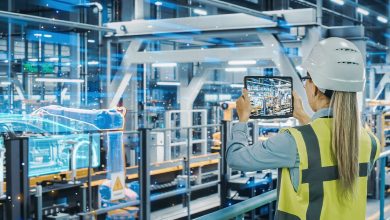
Digital technologies like cloud computing, IoT, AI, and data analytics are revolutionizing how industries operate, enhancing productivity, efficiency, and decision-making.
2. Sustainability and Green Practices
Environmental concerns and regulatory frameworks are driving industries to adopt eco-friendly production methods, energy efficiency, and sustainable supply chain practices.
3. Automation and Robotics
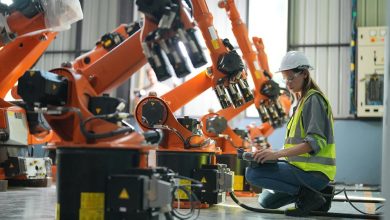
Automation and robotics increase efficiency, reduce operational costs, and enhance production quality. Manufacturing and logistics industries are leading in robotic integration.
4. Globalization and International Trade
Global connectivity allows industries to access international markets, diversify supply chains, and adopt global best practices. Multinational industries play a crucial role in global trade.
5. Customization and Consumer-Centric Models
Industries are increasingly offering personalized products and services to meet specific consumer preferences, especially in technology, fashion, and food sectors.
Role of Industry in Economic Development
Industries contribute significantly to economic growth by providing employment, generating revenue, and promoting technological innovation.
1. Employment Generation
Industries create a wide range of job opportunities, from manual labor in manufacturing to highly specialized roles in research and technology.
2. Innovation and Research
Industries invest in research and development to enhance efficiency, introduce new products, and drive technological advancement.
3. Infrastructure Development
Industrialization requires infrastructure such as transportation, energy, and communication networks, which benefits broader economic development.
4. Contribution to GDP
Industries contribute substantially to national income, exports, and government revenue, forming a backbone for economic stability.
5. Supply Chain Ecosystem
Industries establish extensive supply chains, linking suppliers, distributors, and retailers, which stimulate business growth across multiple sectors.
Challenges Facing Modern Industries
1. Regulatory Compliance
Industries must adhere to legal, safety, and environmental standards, which can vary significantly across regions.
2. Technological Disruption
Rapid technological changes can render traditional processes and products obsolete, requiring continuous adaptation.
3. Labor Shortages
Certain industries face shortages of skilled labor, particularly in emerging technology and specialized manufacturing sectors.
4. Economic Volatility
Fluctuations in global markets, inflation, and geopolitical instability can impact industrial production and profitability.
5. Environmental and Ethical Concerns
Industries are under increasing scrutiny to reduce pollution, adopt ethical practices, and minimize negative social impacts.
Strategies for Industrial Success
- Innovation Investment: Continuous research and development ensures competitiveness and product relevance.
- Sustainable Practices: Eco-friendly operations reduce environmental impact and appeal to conscious consumers.
- Digital Integration: Leveraging digital tools improves efficiency, accuracy, and customer engagement.
- Global Expansion: Entering new international markets increases growth potential and resilience.
- Skilled Workforce Development: Training and retaining talent is essential for operational excellence and innovation.
Industry-Specific Examples
1. Automotive Industry
Automotive industries are shifting toward electric vehicles, autonomous driving, and connected car technology, driving both innovation and regulatory adaptation.
2. Healthcare Industry
Healthcare industries focus on biotechnology, telemedicine, personalized medicine, and medical device innovation to meet growing global health demands.
3. Technology Industry
Technology industries thrive on innovation, software development, cloud computing, AI, and cybersecurity solutions, driving the digital economy.
4. Energy Industry
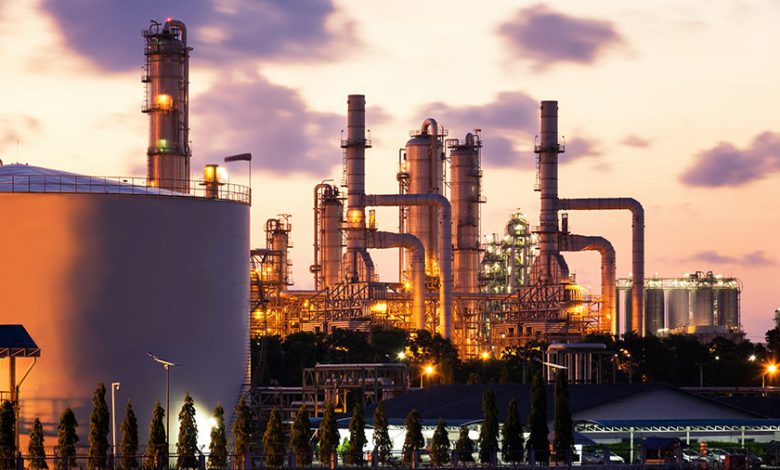
Energy industries are transforming through renewable energy adoption, smart grids, and sustainable production to meet environmental and policy demands.
5. Manufacturing Industry
Manufacturing industries increasingly rely on automation, robotics, and digital twins to improve efficiency, reduce costs, and maintain global competitiveness.
Conclusion
Industries are vital pillars of modern economies, driving employment, innovation, and economic growth. They evolve continuously through technological integration, sustainability practices, and global expansion. Understanding industry dynamics, challenges, and trends is essential for businesses, investors, and policymakers to navigate complex markets, capitalize on emerging opportunities, and achieve sustainable success.
FAQ Section
1. What is the difference between primary, secondary, and tertiary industries?
Primary industries extract raw materials, secondary industries process these materials into goods, and tertiary industries provide services rather than physical products.
2. How do emerging industries impact the global economy?
Emerging industries, such as renewable energy and AI, drive innovation, create new jobs, and open investment opportunities, boosting economic growth.
3. Why is sustainability important for modern industries?
Sustainable practices minimize environmental impact, meet regulatory requirements, and enhance brand reputation among environmentally conscious consumers.
4. How does digital transformation influence industry performance?
Digital tools like IoT, AI, and data analytics improve efficiency, decision-making, and customer engagement across various industrial sectors.
5. What challenges do industries face with globalization?
Globalization introduces regulatory complexity, cultural adaptation, supply chain management issues, and increased competition.
6. How does industry contribute to employment?
Industries offer diverse employment opportunities ranging from manual labor to specialized professional roles, supporting economic stability.
7. What strategies ensure industrial competitiveness?
Investing in innovation, adopting digital tools, expanding globally, and maintaining a skilled workforce are key strategies for industrial success.