
The term industry is fundamental to understanding modern economies and business ecosystems. At its core, industry refers to the organized production of goods or services within a specific sector of the economy. Industries are the backbone of employment, innovation, and national growth. They range from manufacturing and technology to agriculture and services, shaping societies and global trade patterns. Studying industry involves exploring its classifications, economic contributions, technological influences, and evolving trends.
Defining Industry
Industry encompasses a collection of businesses or organizations that operate within a similar domain, producing goods or services for consumer or business markets. Unlike a single enterprise, the term industry represents a collective network of producers, suppliers, and distributors contributing to a sector’s overall performance. Key characteristics of an industry include:
- Specialization: Focused production of goods or services within a defined market segment.
- Economic Contribution: Industries drive GDP growth, employment, and innovation.
- Interconnected Supply Chains: Industries rely on upstream suppliers and downstream distributors.
- Regulatory Oversight: Industry operations are often subject to government regulations, safety standards, and trade policies.
Types of Industry
Industries are categorized based on their economic function, production methods, and market orientation. Understanding these classifications is essential for investors, policymakers, and business leaders.
1. Primary Industry
Primary industries extract and harvest natural resources, forming the foundation of economic activity. Examples include agriculture, mining, forestry, and fishing. These industries supply raw materials for secondary industries and are vital for resource-dependent economies.
2. Secondary Industry
Secondary industries transform raw materials into finished products through manufacturing and construction. Examples include automobile production, electronics manufacturing, textile production, and steel fabrication. Secondary industries are often the largest employers in industrialized nations and contribute significantly to exports and GDP.
3. Tertiary Industry
Tertiary industries, also known as the service sector, provide intangible services rather than physical products. This includes banking, education, healthcare, tourism, transportation, and information technology services. Tertiary industries support primary and secondary sectors by offering essential services and creating consumer value.
4. Quaternary Industry
Quaternary industries are knowledge-based sectors focusing on research, development, and information management. Examples include IT services, scientific research, consulting, and digital media. This sector drives innovation and influences the evolution of other industrial sectors.
5. Quinary Industry
Quinary industries involve high-level decision-making and leadership roles within organizations, government, and academia. This includes executives, policymakers, scientists, and healthcare leaders who shape strategy and policy for entire sectors.
Economic Impact of Industry
Industries play a vital role in national and global economic development. Their contributions include:
- Employment Generation: Industries create direct and indirect job opportunities across various skill levels.
- Innovation and Technology Advancement: Industrial research and development drive technological progress.
- GDP Contribution: Industries contribute significantly to the gross domestic product and overall economic stability.
- Infrastructure Development: Industrial growth promotes infrastructure expansion, including transport, energy, and urban development.
- Global Trade Participation: Export-oriented industries enhance international trade and strengthen economic relations.
Modern Trends in Industry
Industries are evolving rapidly due to globalization, technological advancement, and changing consumer behavior. Key trends shaping modern industries include:
1. Digital Transformation
Industries are adopting technologies such as artificial intelligence, automation, cloud computing, and the Internet of Things (IoT) to streamline production, optimize supply chains, and enhance customer experiences.
2. Sustainability and Green Practices
Industries are increasingly prioritizing environmental sustainability, adopting renewable energy, waste reduction, and sustainable sourcing to meet regulatory standards and consumer expectations.
3. Globalization and Supply Chain Integration
Industries are expanding across borders, creating global supply chains and sourcing strategies. This globalization improves efficiency but requires careful risk management, especially in logistics and geopolitical uncertainties.
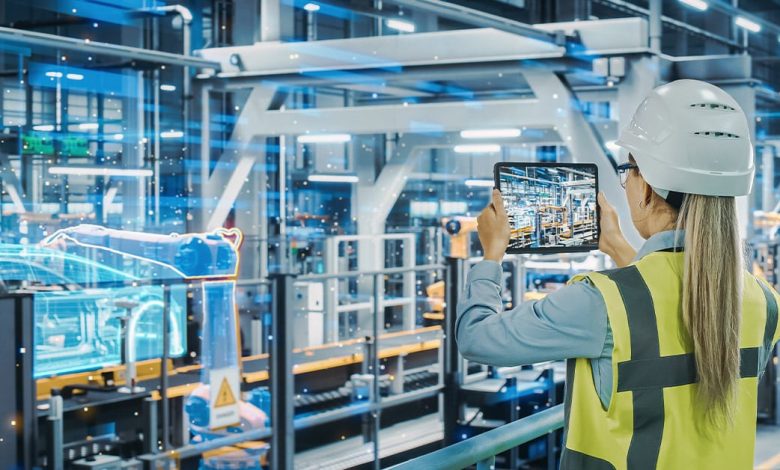
4. Industry 4.0 and Smart Manufacturing
The fourth industrial revolution emphasizes automation, data exchange, and cyber-physical systems in manufacturing. Smart factories and digital production processes enhance efficiency, reduce errors, and lower costs.
5. Customized Production and Consumer-Centric Approaches
Industries are leveraging data analytics and AI to offer personalized products and services, improving customer satisfaction and brand loyalty.
Challenges Facing Modern Industries
Despite their contributions, industries encounter numerous challenges in today’s economic environment:
- Regulatory Compliance: Industries must adhere to complex international and local regulations.
- Technological Disruption: Rapid innovation requires constant adaptation and workforce reskilling.
- Global Competition: Industries face intense competition from domestic and international players.
- Resource Scarcity: Availability of raw materials, energy, and skilled labor can constrain growth.
- Environmental Pressures: Industries are under increasing scrutiny to reduce emissions and adopt sustainable practices.
Industrial Strategies for Growth
To remain competitive and sustainable, industries employ various strategic approaches:
1. Research and Development (R&D)
Investing in R&D enables industries to innovate, improve product quality, and adapt to emerging market trends.
2. Strategic Partnerships
Collaborations, joint ventures, and alliances enhance resource sharing, market access, and technological capabilities.
3. Diversification
Industries diversify products, markets, and supply chains to mitigate risks and reduce dependence on a single revenue source.
4. Digital Integration
Leveraging digital tools improves production efficiency, predictive maintenance, customer engagement, and operational transparency.
5. Sustainability Initiatives
Industries adopt eco-friendly practices, renewable energy sources, and circular economy principles to reduce environmental impact and meet ESG standards.
Conclusion
Industries are the cornerstone of economic growth, innovation, and societal development. From primary to quinary sectors, industries create employment, drive technological progress, and contribute to global trade. Understanding industry types, trends, and strategies is essential for business leaders, policymakers, and professionals seeking to navigate a complex and competitive landscape. By embracing digital transformation, sustainability, and consumer-centric approaches, industries can remain resilient, innovative, and competitive in the modern economy.
FAQs About Industry
1. What is the main difference between primary, secondary, and tertiary industries?
Primary industries extract raw materials, secondary industries manufacture products, and tertiary industries provide services.
2. How does digital transformation impact industries?
Digital transformation improves efficiency, reduces operational costs, enhances supply chain management, and enables data-driven decision-making.
3. What role do industries play in economic development?
Industries contribute to GDP, create jobs, promote innovation, and enhance global trade participation.
4. Why is sustainability important in modern industries?
Sustainability helps industries meet regulatory standards, reduce environmental impact, and appeal to environmentally conscious consumers.
5. What is Industry 4.0?
Industry 4.0 refers to the integration of automation, IoT, AI, and cyber-physical systems in manufacturing to create smart factories and efficient production systems.
6. How do global supply chains affect industries?
Global supply chains enable access to raw materials and markets worldwide but require effective risk management due to geopolitical and logistical challenges.
7. What strategies help industries remain competitive?
Industries remain competitive through R&D, strategic partnerships, diversification, digital integration, and sustainability initiatives.