
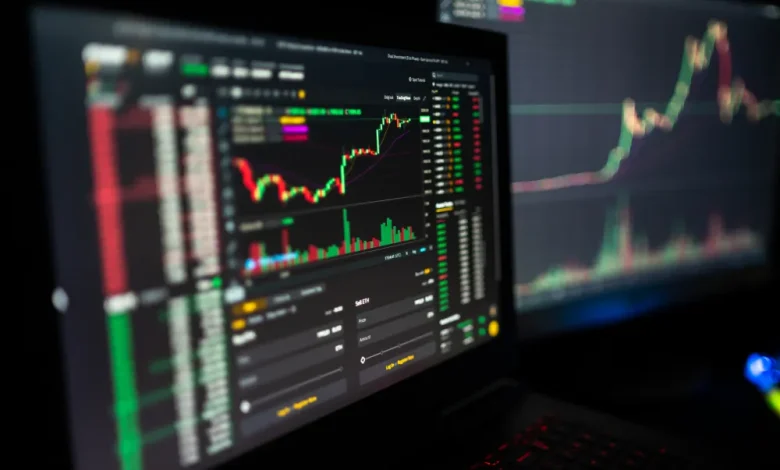
Forex trading captures the imagination of many investors drawn to the potential of foreign exchange markets. With its high liquidity, round-the-clock trading hours and accessibility, trading currencies can be an appealing diversification strategy for those seeking alternatives to traditional stocks and bonds.
For residents of the United Kingdom, understanding the regulatory landscape, risk factors and tax obligations is crucial before participating in this complex market. This guide provides a clear, practical overview of how forex trading operates in the UK, what traders need to know about rules and protections, the inherent risks involved, and how taxation works.
What Is Forex Trading?
Foreign exchange, or forex, trading involves buying one currency while simultaneously selling another. Unlike equity markets, forex trading does not occur on a centralised exchange. Instead, it takes place over the counter through global networks of banks, brokers and electronic trading platforms. Traders aim to profit from fluctuations in exchange rates between currency pairs such as GBP/USD, EUR/GBP and USD/JPY.
While the mechanics of forex trading might appear straightforward, success depends on a nuanced understanding of global economic trends, monetary policies and geopolitical events. For UK traders, it also means navigating a regulatory environment designed to protect investors and maintain market integrity.
Regulation of Forex Trading in the UK
The UK has a well-established financial regulatory framework that extends to forex brokers and trading platforms. The Financial Conduct Authority (FCA) serves as the primary regulator for financial markets, including forex and contracts for difference (CFDs). FCA regulation provides reassurance that brokers meet standards for conduct, capital adequacy and customer protection.
An FCA-regulated broker must comply with strict rules regarding transparency, client money protection and fair treatment of customers. For example, segregating client funds from the broker’s own operating capital is a requirement, reducing the risk of client losses if the broker becomes insolvent. When choosing a broker, always verify their FCA authorisation status rather than relying solely on advertised claims.
To deepen your knowledge of how trading platforms and brokerages operate within this framework, exploring trusted industry resources can be valuable. For further insights into trading infrastructure and services, you may find this article helpful as a reference point for understanding operational standards and offerings in the UK market.
Understanding Leverage and Margin
Leverage allows traders to control a position larger than their deposited funds. While leverage can amplify gains, it equally magnifies losses. For example, with 30:1 leverage, a £1,000 deposit can control a £30,000 position. Even a small adverse price movement can trigger large losses, potentially exceeding the initial deposit without appropriate risk management.
In the UK, FCA rules cap leverage at more conservative levels compared to some offshore jurisdictions. These caps depend on the volatility of the currency pair being traded. Less volatile pairs like EUR/GBP might have higher allowed leverage, whereas exotic or volatile pairs have stricter limits.
Margin is intimately connected with leverage. It represents the funds required to open and maintain a leveraged position. Should the market move against the trader’s position, the broker may issue a margin call, requiring additional funds to sustain the position. If the trader cannot meet this margin requirement, the broker may close positions automatically to limit further loss.
Risks in Forex Trading
While forex markets are among the most liquid in the world, they are not without substantial risks. Trading can expose you to both predictable and unpredictable elements. Some of the key risks include:
Market Risk
Market risk refers to the possibility of losses due to changes in currency values. Exchange rates can be highly sensitive to economic data releases, central bank announcements, political developments and international events. Even experienced traders can struggle to forecast market reactions accurately, making this risk ever-present.
Leverage Risk
As mentioned earlier, leverage can magnify losses. In volatile conditions, positions can reach stop-out levels quickly, leading to automatic closure and potential loss of the initial investment. Understanding how leverage amplifies both gains and losses is critical before engaging in leveraged trading.
Counterparty Risk
Although FCA regulation mitigates many risks, there is still a counterparty risk — the possibility that the broker may default on its obligations. This risk is reduced when trading with well-capitalised, regulated firms that segregate client funds and adhere to strict reporting standards.
Developing a Responsible Trading Strategy
Forex trading should never be undertaken impulsively. A well-defined strategy rooted in education and discipline is essential. Before risking real capital, consider demo trading to familiarise yourself with market behaviour and platform functionality. Establish clear entry and exit criteria, set realistic profit targets and define your risk tolerance.
Continued learning through reputable sources, courses and financial news can improve decision-making and help you stay informed about economic factors affecting currencies. Remember that even seasoned traders experience losses; what sets successful traders apart is their ability to manage those losses and adapt to changing conditions.
Conclusion
Forex trading in the UK presents both opportunities and challenges. Supported by robust regulation, access to global markets is possible for individuals willing to invest time in learning and preparation. Understanding the regulatory framework, managing leverage and risk responsibly, and knowing your tax obligations form the foundation of a sound trading approach.
While the profit potential exists, it is equally important to approach forex with respect for its risks and a commitment to disciplined practice. Through careful planning, adherence to regulations and thoughtful strategy development, you can navigate the complexities of forex trading with confidence and clarity.